
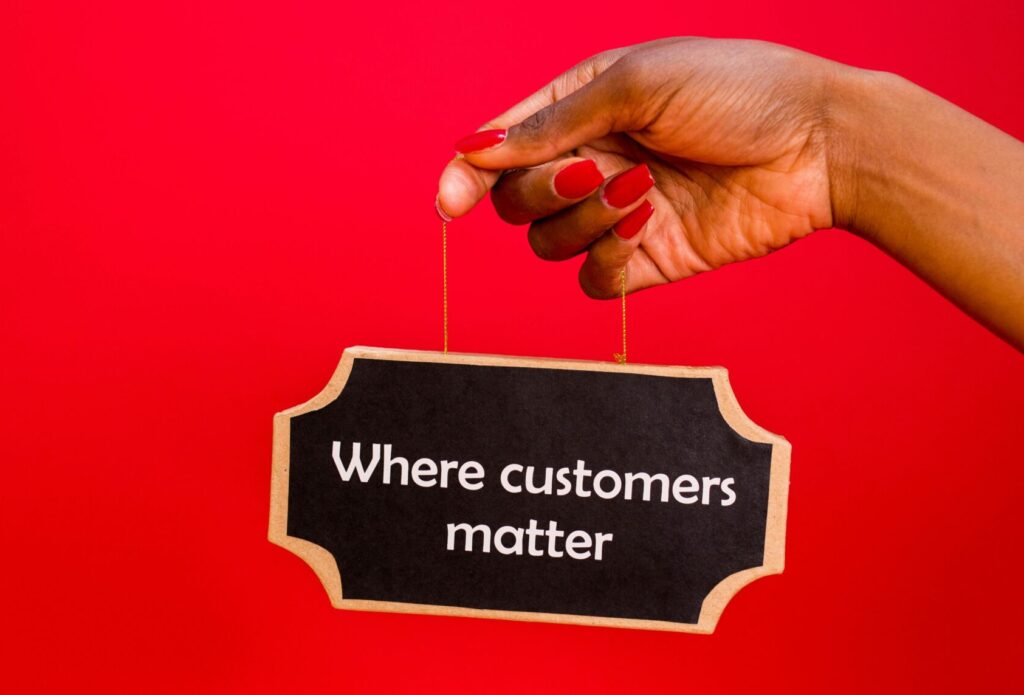
“We’re getting so caught up in the day-to-day. It was really refreshing to put the consumer in the centre again.”
This wasn’t a scripted line from a marketing brochure. It was a raw, honest reflection from a participant at a recent Cognitive Union workshop. She works for a global CPG giant—a business with thousands of employees and a marketing budget that could fund a small nation.
Yet, even there, the consumer had become a ghost. A data point on a slide. A memory.
It’s a common paradox. Companies spend millions on “Customer Centricity” initiatives, yet the actual customer is often the last thing discussed in the boardroom. We get bogged down in internal politics, supply chain hiccups, and the relentless noise of the “day-to-day”.
At Cognitive Union, we believe that if you aren’t looking at the consumer, you aren’t looking at the business.
The cost of looking inwards
Most businesses are built like fortresses. They are designed to protect their own interests, optimise their own processes, and hit their own internal KPIs.
This internal gravity is dangerous. It creates a vacuum where decisions are made based on “what we did last year” or “what the CFO wants to see this quarter.”
When you lose sight of the consumer, you lose your North Star. You start solving problems that don’t exist for the people who pay your bills. You innovate in a vacuum. You become efficient at being irrelevant.
Decision-makers need to care because consumer centricity isn’t a “soft” HR value. It is the only sustainable competitive advantage left. In a world where AI can replicate your features and global logistics can undercut your price, the only thing they can’t steal is the deep, visceral connection you have with your customer’s reality.
The Customer-Centricity Charade
Lots of companies claim to be customer-centric. They put it on posters in the lobby. They mention it in the annual report.
But talk is cheap.
True centricity isn’t about having a CRM. It’s not about sending out a Net Promoter Score (NPS) survey once a quarter and high-fiving when it goes up by two points.
Living it means making uncomfortable choices. It means killing a profitable product because it no longer serves the user. It means rewriting a boring, corporate-speak email because it treats the customer like a transaction rather than a human.It means being forward and fearless enough to tell the truth about what your customers actually want—even when it contradicts your current business model.
Three Moves for Marketing Leaders
If you’re leading a marketing function, “putting the consumer in the centre” can’t just be a line in your strategy deck. It needs to be an operational reality.
Here are three recommendations to start moving the needle:
1. Kill the Persona. Find the Person. Most marketing personas are works of fiction. “Business-casual Brenda” doesn’t exist. She’s a composite of stereotypes. Stop looking at static decks and start looking at live behaviour. Use your data to find the “jobs to be done.” Why did they hire your product? What were they doing five minutes before they bought it? What did they feel five minutes after? If your team isn’t talking to real humans every single week, your strategy is a guess.
2. Democratise the Data. Customer insights shouldn’t live in a siloed “Insights” department. If your product designers, your finance leads, and your frontline staff don’t have access to the “voice of the customer,” they are flying blind. Simplify the feedback. Don’t hide it in a 40-page PDF. Make it visible. Make it punchy. Make it impossible to ignore.
3. Reward “Customer-First” Failure. If a team tries something bold to improve the customer experience and it fails to move the bottom line immediately, do you punish them or praise them? If you only reward short-term sales spikes, you are incentivising short-term thinking. Build KPIs that measure long-term customer health, trust, and ease of use. If the customer wins, the business eventually wins. Always.
Customer Centricity Lab
Understanding the theory is easy. Executing it in the heat of a global business is hard.
That’s why we created the Customer Centricity Lab.
This isn’t a “sit and listen” seminar. It is a 2-day, high-intensity, immersive environment designed for brands that are ready to stop talking and start doing.
We take your leadership teams out of their comfort zones. We strip away the corporate jargon. We bring the consumer into the room—sometimes literally, always figuratively—and we force you to look at your business through their eyes.
What happens in the Lab?
- Deep Immersion: We dive into the “why” behind the “what.”
- Radical Clarity: We identify the friction points you’ve become blind to.
- Rapid Execution: We don’t just brainstorm; we build. You leave with a roadmap of actionable changes that put the consumer back where they belong.
It’s powerful. It’s provocative. And for many of our clients, it’s the first time in years they’ve truly felt connected to the people they serve.
Stop the Drift
The “day-to-day” is a powerful current. It will always try to pull you back into the internal, the operational, and the safe.
But the businesses that take on the world are the ones that refuse to drift. They are the ones who realise that the consumer isn’t a target to be hit—they are the heart of the organisation.
As our workshop participant discovered, putting the consumer back in the centre isn’t just a business requirement. It’s refreshing. It gives your work purpose. It gives your brand a soul.
It’s time to stop claiming you’re customer-centric. It’s time to start being it.
Cognitive Union is a progressive, boutique learning and performance consultancy. We work with forward-thinking businesses. Transforming their people. Shaping their culture. Helping them embrace change and take on the world. Find this blog useful? Sign up to our email newsletter (bottom of this page) where you can receive articles like this and other insights (not publically published), and you can also follow us on LinkedIn.
Forward. Fearless.